Les Robots dans les Entrepôts : Avantages et Limites
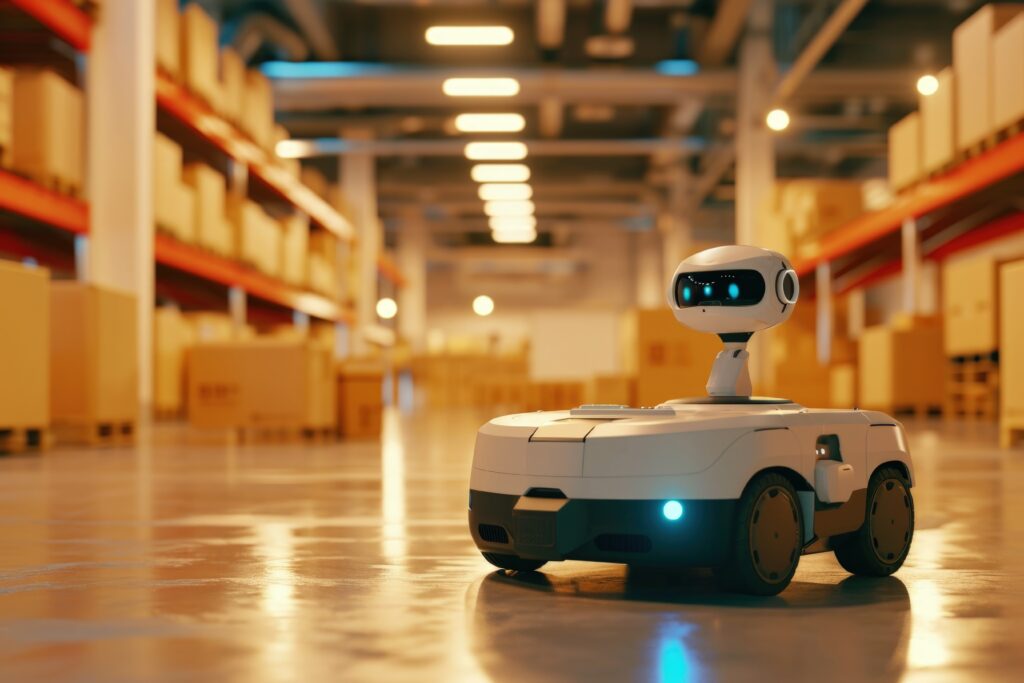
L’industrie de la logistique connaît une transformation majeure grâce à l’intégration croissante des technologies robotiques dans les entrepôts. Les robots révolutionnent la manière dont les entrepôts fonctionnent, apportant une multitude d’avantages, mais aussi certaines limites. Explorons ensemble les bénéfices et les défis de l’intégration des robots dans les entrepôts logistiques modernes.
Les avantages des robots dans les entrepôts
efficacité accrue
Les robots peuvent fonctionner 24 heures sur 24, 7 jours sur 7, sans fatigue ni besoin de pauses. Cela permet une augmentation significative de la productivité, en particulier dans les environnements où la demande est constante ou fluctuante. Ils sont capables de traiter des tâches répétitives avec précision et vitesse.
réduction des erreurs
L’automatisation réduit considérablement le risque d’erreurs humaines. Les robots, programmés avec précision, suivent des instructions exactes et sont moins susceptibles de commettre des erreurs de saisie ou de placement des produits. Cela améliore la précision des inventaires et la satisfaction des clients
Réduction des coûts
Bien que l’investissement initial dans les robots puisse être élevé, les coûts opérationnels à long terme sont souvent réduits. Les robots nécessitent moins de maintenance que les équipements traditionnels et n’ont pas besoin de salaires, de bénéfices sociaux ou de vacances.
optimisation de la sécurité
Les robots peuvent effectuer des tâches dangereuses pour les humains, telles que le levage de charges lourdes ou le travail dans des environnements potentiellement dangereux. Cela réduit les accidents du travail et améliore la sécurité globale des entrepôts.
Flexibilité et adaptabilité
Les systèmes robotiques modernes peuvent être reprogrammés pour s’adapter à des tâches différentes. Cette flexibilité permet aux entrepôts de répondre rapidement aux changements dans la demande ou aux nouvelles exigences du marché.
Les limites de la robotisation des entrepôts
Coût initial élevé
L’achat et l’installation de robots dans un entrepôt nécessitent un investissement financier considérable. Les coûts initiaux comprennent non seulement l’achat des robots eux-mêmes, mais aussi les infrastructures nécessaires à leur fonctionnement, ainsi que les logiciels de gestion.
Adaptabilité limitée
Bien que les robots soient excellents pour les tâches répétitives et structurées, ils peuvent avoir du mal à s’adapter à des situations imprévues ou à des tâches nécessitant une réflexion complexe telle que la personnalisation de commandes. L’intervention humaine reste nécessaire pour les tâches non standardisées ou en cas d’imprévus.
MAINTENANCE ET Dépannage
Les robots, bien que robustes, nécessitent une maintenance régulière pour fonctionner de manière optimale. De plus, en cas de panne, les réparations peuvent être coûteuses et complexes, nécessitant des compétences techniques spécialisées.
dépendance technologique à la robotisation
Une trop grande dépendance aux robots peut rendre une entreprise vulnérable aux pannes technologiques. En cas de dysfonctionnement ou de cyberattaque, les opérations peuvent être gravement perturbées, entraînant des retards et des pertes financières.
impact sur l’emploi
L’automatisation peut conduire à une réduction des emplois pour les travailleurs non qualifiés, entraînant des défis sociaux et économiques. Les entreprises doivent envisager des programmes de reconversion et de formation pour aider les employés à s’adapter aux nouvelles exigences du marché du travail.
Le choix de Logisseo
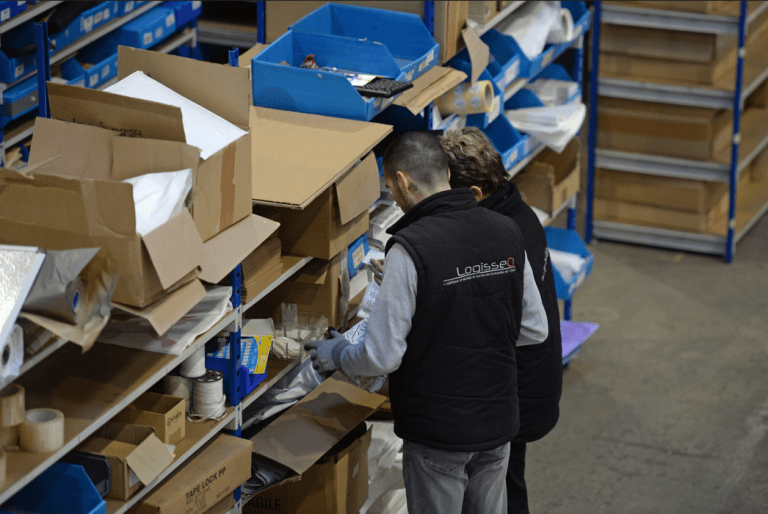
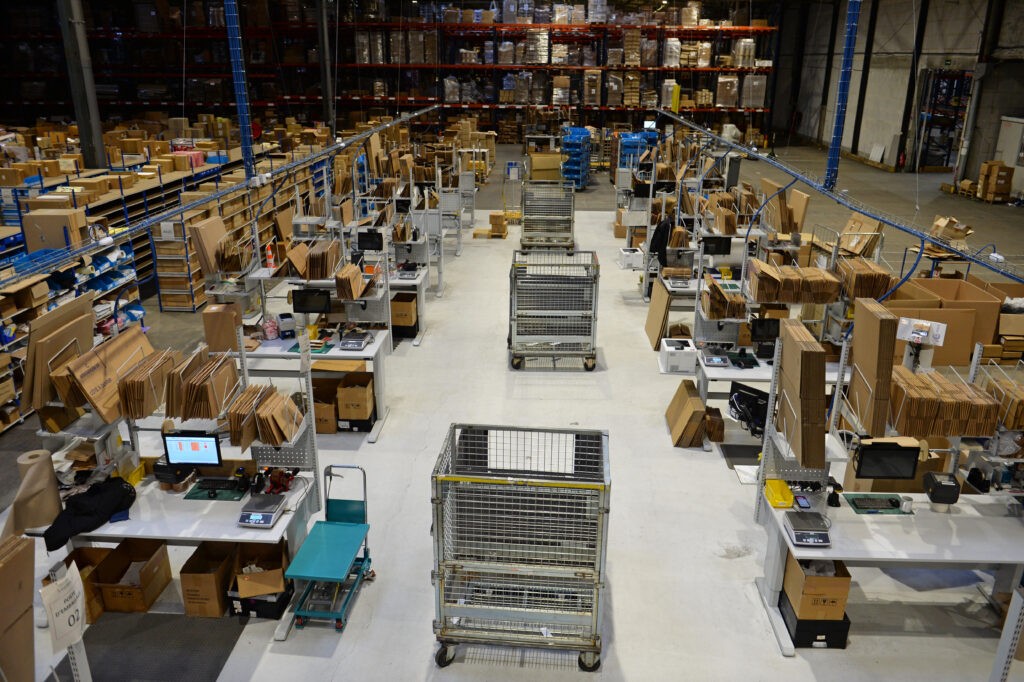
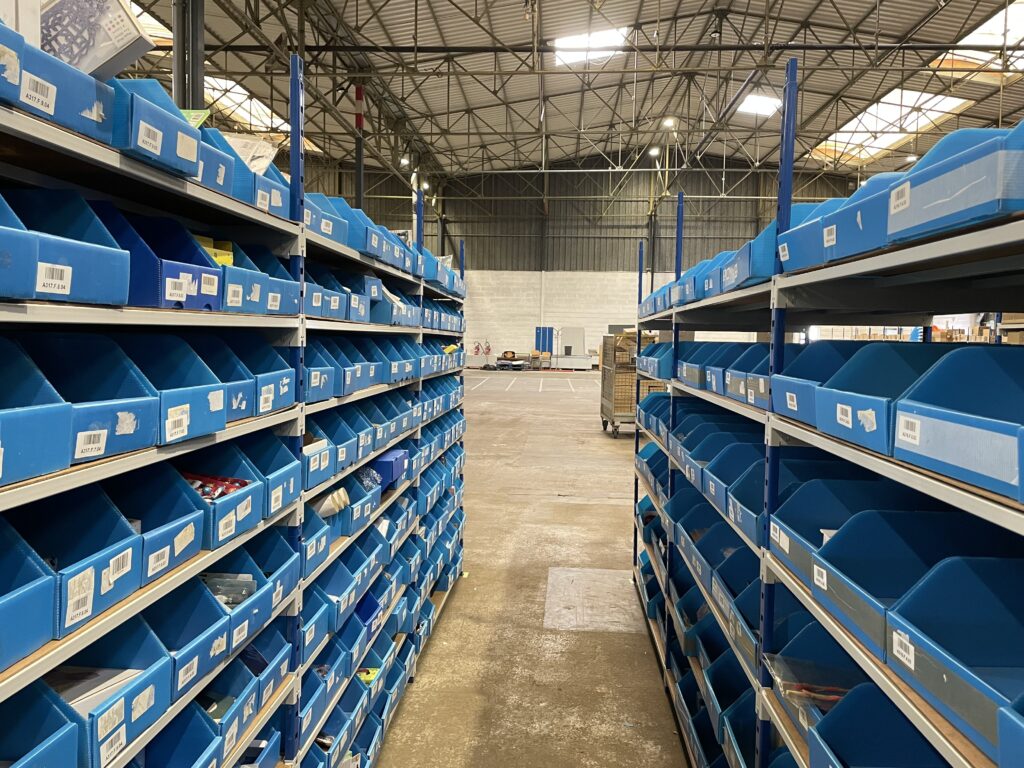
Chez Logisseo, nous n’utilisons pas de robots dans nos entrepôts pour plusieurs raisons. L’acquisition de robots est coûteuse, nécessitant beaucoup de maintenance et du personnel qualifié dans la technologie. De plus, en tant que prestataire logistique engagé et labellisé RSE, nous valorisons fortement notre capital humain. Nos employés apportent non seulement leur force de travail, mais aussi leur expertise, leur capacité à résoudre des problèmes complexes et leur adaptabilité. Remplacer ces compétences par des robots pourrait entraîner une perte sociale et sociétale.
Donc, chez Logisseo, nous avons pris la décision stratégique de ne pas intégrer de robots dans nos entrepôts pour le moment, en tenant compte de divers facteurs économiques, opérationnels et humains. Cette approche réfléchie nous permet de maintenir un équilibre entre efficacité, flexibilité et responsabilité sociale, tout en nous préparant peut-être à une future intégration technologique lorsque les conditions seront plus favorables.
Conclusion
La robotisation des entrepôts offre des avantages indéniables en termes de productivité, de précision et de sécurité. Cependant, elle présente également des défis, notamment en termes de coûts initiaux, de maintenance et d’impact sur l’emploi. Les entreprises de logistique doivent peser soigneusement ces facteurs pour déterminer la meilleure approche à adopter. En fin de compte, une stratégie équilibrée qui combine l’efficacité des robots et la flexibilité humaine pourrait être la clé du succès dans le paysage logistique en constante évolution.
Vous connaissez désormais les avantages et les limites des robots dans les entrepôts !
Pour découvrir le quotidien d’une entreprise de logistique, suivez-nous sur LinkedIn ou Instagram